












The same logo can look premium or promotional. The decoration method usually decides which.
Most guides to embroidery, laser engraving and deboss are written by apparel decorators, so they stop at t-shirts and polos. Corporate gifts are a different job: leather notebooks, stainless drinkware, wool hats and technical jackets, each with a method that suits it and a few that don't. This guide matches the method to the material, explains what makes branding feel premium, and covers the timing that matters for holiday 2026.
TL;DR: Use embroidery for apparel, headwear and soft bags, laser engraving for metal, wood and coated drinkware, and deboss for leather, vegan leather and hardcover notebooks. Print and patches fill the gaps. For gifts people keep, go smaller and more tonal than you think: research on luxury goods links quieter branding to higher prices. For 2026 holiday delivery, October 30 is the last date for full customization with no automatic rush fees. Accurate as of October 2026. Jump to the method-by-material table.
Table of contents
- What's the difference between embroidery, laser engraving and deboss?
- Which decoration method is best for each material?
- What makes a branded gift feel premium?
- When should you choose embroidery?
- When should you choose laser engraving?
- When should you choose deboss?
- What about screen print, digital print and patches?
- How much lead time does decoration need for holiday 2026?
- Key takeaways
- FAQs
- Sources
What's the difference between embroidery, laser engraving and deboss?
Answer: Embroidery stitches your logo into fabric with thread, so it adds color and texture. Laser engraving uses a laser to etch or remove a surface layer, leaving a permanent mark in metal, wood, glass or coated drinkware. Deboss presses the logo into a material like leather or a book cover with a heated or pressured die, so the mark sits below the surface, usually with no added color.
All three are permanent, and all three read as more considered than a printed logo on the right product. The difference is in what each one adds: thread, contrast or depth.
| Method | How it works | The look | Best for |
|---|---|---|---|
| Embroidery | Thread stitched into fabric from a digitized file | Raised, textured, in thread colors you choose; tonal thread for a quieter mark | Jackets, fleece, quarter-zips, caps, beanies, soft bags |
| Laser engraving | A laser etches the surface or removes a coating | Crisp, precise, one-color by nature; reveals the material underneath | Stainless and powder-coated drinkware, brass, aluminum, wood, glass |
| Deboss | A die presses the design into the material | Recessed and subtle; color-free (blind) or filled with foil | Leather and vegan leather goods, hardcover notebooks, cork |
| Emboss | A die raises the design from behind | Raised and tactile | Paper goods, cards, some leather |
| Screen or digital print | Ink applied to the surface | Flat, full color possible | Totes, tees, labels, packaging |
| Patches | A woven, embroidered or leather patch is sewn or applied | Dimensional, swappable look; good for detailed marks | Caps, bags, outerwear where direct stitching won't work |
Which decoration method is best for each material?
Answer: Match the method to the material, not the other way around. Fabric takes embroidery, metal and wood take laser engraving, and leather and hardcover goods take deboss. When a material could go either way, pick the method that adds the least visual weight. A blind deboss on leather or a tonal stitch on a jacket usually reads as more premium than high-contrast color.
| Material | Best method | Also works | Usually avoid |
|---|---|---|---|
| Fleece, knits, cotton, wool | Embroidery | Patches | Large printed logos on premium knits |
| Technical outerwear and shells | Small embroidery where the brand allows it | Heat-applied or patch options; ask first | Stitching through waterproof panels |
| Stainless and powder-coated drinkware | Laser engraving | Print for full-color art | Stickers or labels that peel |
| Brass, aluminum and metal accessories | Laser engraving | Deboss on some metals | Surface print that wears off with handling |
| Wood | Laser engraving | Deboss or branding iron | Thin printed marks on open grain |
| Leather and vegan leather | Deboss (blind or foil) | Laser engraving | Printed logos |
| Hardcover notebooks | Deboss | Foil deboss, laser on some covers | Oversized logos |
| Canvas totes and labels | Screen or digital print | Embroidery or patches on heavier canvas | Engraving |
Accurate as of October 2026. Some brands limit or prohibit added logos on their products, so confirm before you plan a program around one.

What makes a branded gift feel premium?
Answer: Quality, usefulness and restraint. In PPAI's survey of more than 5,000 US consumers, people cited durability, design and material as key reasons they keep branded products,1 and 78% of consumers in ASI's 2026 study keep promotional items because they're useful.2 Research on luxury goods adds a third lever: discreet branding is what buyers of premium goods pay more for.3
Fair question to ask a gifting company, so here's what the evidence says and where it stops.
- People keep good things. PPAI, the promotional products industry's trade association, surveyed more than 5,000 US consumers for its December 2025 Product Power report: 65% said they're very likely to keep a branded product for six months or longer, and 90% said a branded product improves their perception of the brand.1 That's industry research, so read it as directional.
- Usefulness drives recall. In ASI's 2026 Global Advertising Impressions Study of nearly 5,000 consumers, 85% remembered the advertiser who gave them a promotional product.2 ASI is also an industry trade association.
- Quiet branding reads as more valuable. In a 2010 Journal of Marketing study, Han, Nunes and Drèze found that wealthy consumers with a low need for status pay a premium for products with inconspicuous branding,3 and that a price disparity of several hundred dollars could rest solely on how prominently a brand appears on a handbag.4
- Insiders prefer subtle signals. Berger and Ward, in the Journal of Consumer Research, found that people with domain knowledge preferred more subtly marked products, while regular observers mistook subtly branded high-end goods for cheaper ones.5
The practical translation for corporate gifts: your recipients aren't buying a handbag, but the same instincts apply. A small tonal mark on a quality product says "we chose this for you." A large logo on the same product says "we're advertising." The caveat from Berger and Ward cuts the other way, too. If your audience doesn't know the brand you're gifting, a mark so subtle that no one notices it can make a premium product look generic.

| Choice | Feels promotional | Feels premium |
|---|---|---|
| Size | Full-front or oversized logo | Small mark: left chest, sleeve, cuff, lower corner |
| Color | High-contrast brand colors on every item | Tonal thread, blind deboss, or the material's own color revealed by a laser |
| Mark | Full logo with tagline | Icon, monogram or wordmark only |
| Product | Cheap item chosen to carry a logo | A product people would buy for themselves |
When should you choose embroidery?
Answer: Choose embroidery for anything made of fabric that people wear or carry: jackets, vests, fleece, quarter-zips, caps, beanies and soft bags. It adds texture and holds up to washing. For a premium look, keep the mark small, place it on the chest, sleeve or cuff, and consider tonal thread that matches the garment.

Embroidery is the workhorse for apparel gifts, and apparel is a big share of what clients send. According to the 2026 Holiday Gift Guide from Clove & Twine (C&T), a Denver-based premium corporate gifting company, the year's most-gifted products included The North Face Everyday Insulated Jacket and the Marine Layer Corbet Full Zip Vest, both natural embroidery candidates.6
Good embroidery candidates from our catalog (starting prices before decoration):
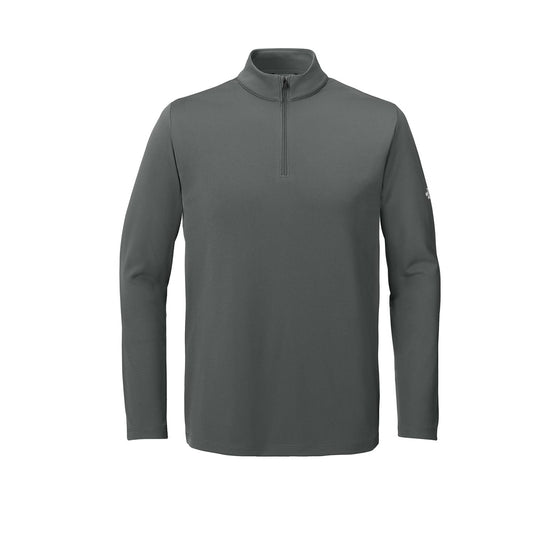
- The North Face Men's Ambition 1/4-Zip ($70): a small left-chest mark in tonal thread.
- Original Favorites Italian Wool Hat ($48) and the Ahead 1995 Cap ($24): headwear is where a small icon works best.
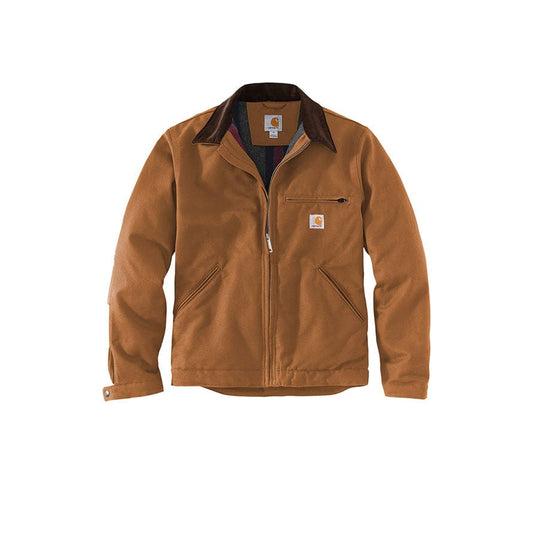
- Carhartt Duck Detroit Jacket ($130) and the Rhone DreamState Men's Full Zip Hoodie ($148): outerwear and layers people wear for years.
When embroidery isn't the right fit: very fine detail, small text and gradients don't translate well to thread, and some technical fabrics shouldn't be stitched through. A patch or a different product is often the better answer.
When should you choose laser engraving?
Answer: Choose laser engraving for hard goods: stainless and powder-coated drinkware, brass and aluminum accessories, wood, and glass. It's permanent, precise and one-color by nature, and it reads as premium because it reveals the material instead of adding ink. It's the best way to brand the drinkware and desk items that get used every day.

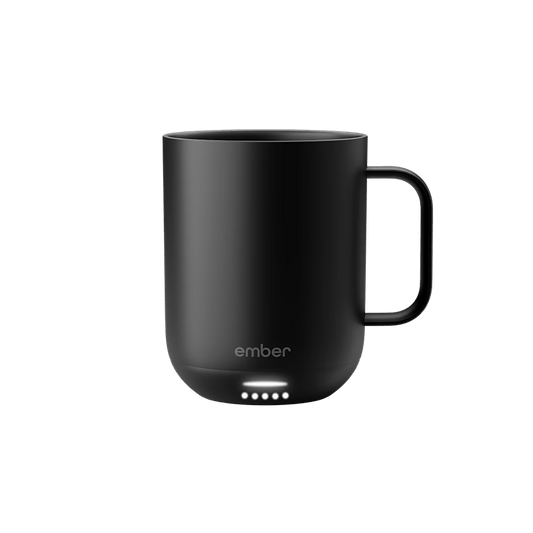
Drinkware shows up again and again in what people keep. C&T's most-gifted products of 2026 included the Owala FreeSip 24 oz and the Ember Mug 3, 14 oz.6 Other strong laser candidates (starting prices before decoration):
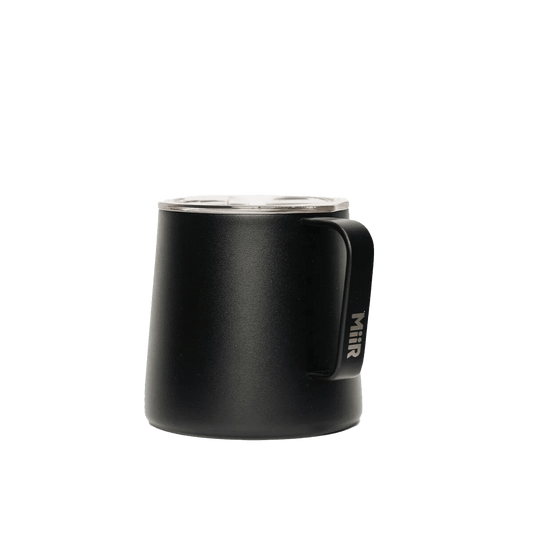
- Ember Mug 3, 10 oz ($130) and the MiiR Grounded Camp Cup ($36): engraving through the coating gives a clean metallic mark.
- Clayton & Crume Solid Brass Luggage Tag ($95): brass engraves beautifully and ages with the owner.
- Classic Wood Journal ($42): wood takes a warm, burned-in mark.
- Prodir Pen MS8 Aluminum ($17): a small engraved mark on an everyday pen.
When laser engraving isn't the right fit: it can't add color, so multi-color logos become one tone, and full-color art on drinkware needs a print method instead. On some plastics and soft materials, the result is inconsistent.
When should you choose deboss?
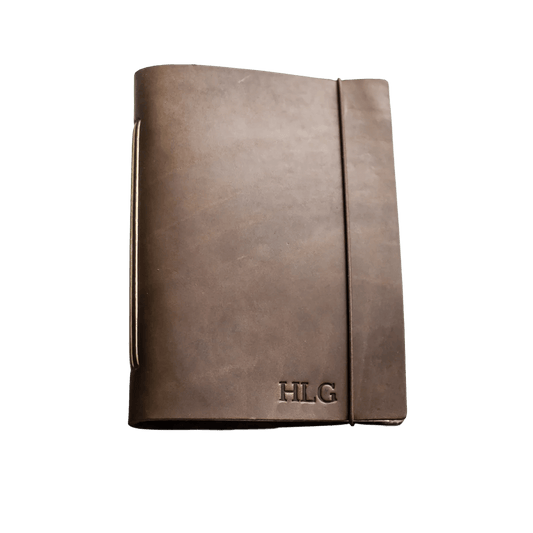
Answer: Choose deboss for leather, vegan leather, hardcover notebooks and other materials that hold an impression. A blind deboss presses the logo in with no color, which makes it the quietest, most tactile option. Add foil only when the mark needs to be read from a distance. Deboss suits notebooks, portfolios, desk pads and leather accessories.
Deboss is the method most likely to make a branded item look like something the recipient bought for themselves. Candidates from our catalog (starting prices before decoration):
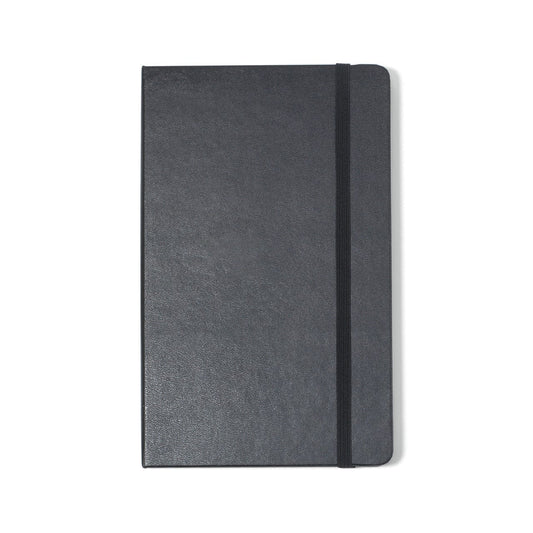
- Moleskine Hard Cover Ruled Notebook, Large ($31.89) and the Shinola Journal, Hardcover Large ($39): a blind deboss on the cover.
- Ox & Pine Lined Classic Journal ($72): leather that takes a deep impression.
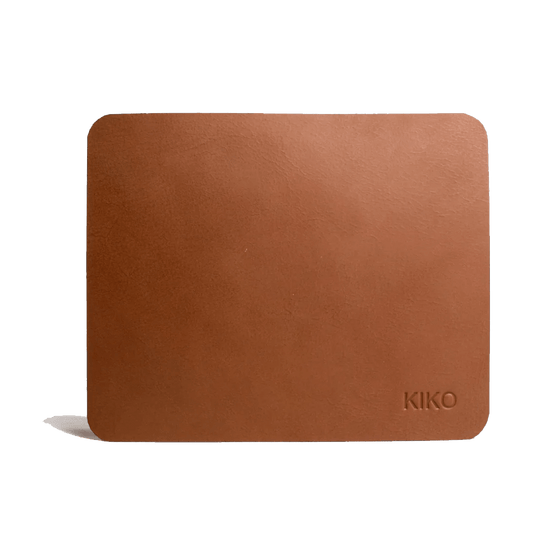
- Leather Mouse Pad ($28): a desk piece that stays in view.
When deboss isn't the right fit: very thin lines and small text can fill in, and a blind deboss on a dark material can disappear in low light. If recognition matters more than subtlety, use foil or choose a different product.
What about screen print, digital print and patches?
Answer: Use screen or digital print when you need full color or a large design on a flat surface, like totes, labels and packaging. Use patches when a cap, bag or jacket can't be stitched directly or when a detailed logo needs a dimensional finish. Both are useful supporting methods, especially inside a kit where the hero product carries the quieter mark.
A few items where print is the right call (starting prices before decoration):
- Can Glass Candle with Custom Label ($22): a printed label carries the full design.
- Mini Canvas Tote ($11): a printed tote that packs the rest of the kit.
- Nalgene Custom Wide Mouth Sustain Bottle, 32 oz ($21.58): full-color print on a bottle people already know.
In a kit, mix methods on purpose: a debossed notebook, an engraved tumbler and a printed tote read as a set without three loud logos. Build one with Kitbuilder or browse ready-made kits and gift boxes.
→ Book a call for free mockups
Send us your logo and the products you're considering. We'll recommend a method for each and show you mockups before anything is produced.
How much lead time does decoration need for holiday 2026?
Answer: For the widest choice of decoration, order by October 30, the last date for full product and packaging customization with no automatic rush fees. Most products and branding options remain available through November 9. After December 1, orders are limited to quick-turn, unkitted, bulk-shipped products with limited decoration options.
| Date | What it means for decoration |
|---|---|
| October 30 | Full product and packaging customization; no automatic rush fees |
| November 9 | Most products and branding options still available; rush fees may apply after |
| November 20 | Last day for custom boxes |
| December 1 | After this, quick-turn, unkitted, bulk-shipped products with limited decoration options |
Cutoff dates vary by product selection, customization, quantity and project scope.7 Confirm timing with your account manager.
Why the early date matters for decoration specifically: according to Clove & Twine's 2025 order data, 70% of bestsellers were gone by the end of October, and roughly 10% of late Q4 orders needed a product swap.8 A swap late in the season can mean re-approving a decoration proof on a new product.
C&T handles embroidery, laser engraving, screen print, deboss, digital print and patches, plus custom packaging and kitting, through our corporate gifting services. Shop the full 2026 Holiday Gift Guide, or see why the season matters in The Last Impression of the Year.
→ Plan my holiday gifts
Share your budget, quantity and timing, and we'll confirm real production dates for your program.
Key takeaways
- Match method to material: embroidery for fabric, laser engraving for metal, wood and drinkware, deboss for leather and hardcover goods.
- Print and patches fill the gaps for full color, flat surfaces and hard-to-stitch items.
- Research on luxury goods links quieter branding to higher prices, so go smaller and more tonal on premium gifts.
- People keep branded products that are durable, well designed and useful.
- Very subtle marks can go unnoticed, so match the level of restraint to how well recipients know your brand.
- For holiday 2026, order by October 30 for full customization.
→ Shop the 2026 Holiday Gift Guide
FAQs about logo decoration for corporate gifts
Is embroidery or laser engraving better for corporate gifts?
Neither is better overall; they suit different materials. Embroidery is the right choice for apparel, headwear and soft bags. Laser engraving is the right choice for drinkware, metal, wood and glass. Many of the best gift programs use both, with each method on the product it suits.
What's the difference between deboss and emboss?
A deboss presses the design into the material so it sits below the surface. An emboss raises the design above the surface. Deboss is more common on leather and notebook covers; emboss is more common on paper goods. Either can be blind (no color) or filled with foil.
Which logo method looks the most premium?
Usually the quietest one that suits the material: a blind deboss on leather, a laser engraving that reveals the metal under a coating, or a small tonal embroidery on a jacket. Research on luxury goods links less prominent branding to higher prices, so restraint tends to read as quality.
I'm sending 200 holiday gifts and half are jackets, half are tumblers. Do I need two decoration methods?
Yes, and that's normal. Embroider the jackets and laser engrave the tumblers, using the same artwork adapted for each method. A good vendor will produce proofs for both so the marks feel like one program, then kit and ship them together.
Can you laser engrave a full-color logo?
No. Laser engraving is one tone by nature, so a multi-color logo becomes a single-color mark. Many brands look better that way. If color matters, use embroidery on fabric or a print method on hard goods instead.
Where should the logo go on a jacket or quarter-zip?
The left chest is the classic placement. A sleeve, cuff or back yoke is quieter and often feels more premium. Keep the mark small and consider tonal thread, especially on a jacket people will wear outside of work.
Can every product be branded with my logo?
No. Some brands limit or prohibit added logos on their products, and some materials don't take certain methods well. Confirm both before you design a program around a specific item.
Will a subtle logo get noticed?
It depends on the audience. Research by Berger and Ward found that people familiar with a category prefer subtle brand signals, but regular observers can mistake subtly branded goods for cheaper ones. For clients who know you well, go quiet. For broad audiences, make sure the mark is still readable.
When do I need to order decorated holiday gifts for 2026?
October 30 is the last date for full product and packaging customization with no automatic rush fees. Most branding options remain through November 9, custom boxes close November 20, and after December 1 decoration options are limited to quick-turn, bulk-shipped products.
Can you handle everything?
Yes. We're your full-stack corporate gifting partner.
Our end-to-end gifting services include product curation, branding, custom packaging, kitting, warehousing, address collection, and timed delivery, so you don't have to lift a finger.
We also offer on-site gifting experiences, product sourcing beyond our catalog, and custom design services for truly one-of-a-kind campaigns. Through our Moment gifting platform, you can send premium gifts to 1 or 1,000 recipients without needing addresses, while keeping full control of the selection and your brand.
More corporate gifting resources
- The 2026 Holiday Gift Guide: corporate holiday gifts by budget
- Rethinking corporate swag: from forgettable to memorable
- The art of giving high-end gifts
- The last impression of the year: why holiday gifting pays off
- Kits and gift boxes for clients, teams, and VIPs
- Corporate gifting services: sourcing, branding, kitting, fulfillment

→ Shop the 2026 Holiday Gift Guide
→ Connect with an Account Manager
Sources
- PPAI, "Product Power 2026: What Consumers Want Next," December 8, 2025. Survey of more than 5,000 US respondents by the promotional products industry's trade association. 65% very likely to keep a branded product six months or longer; 90% say it improves brand perception; durability, design and material cited as reasons to keep. View
- Advertising Specialty Institute, "ASI Research: Promotional Products Deliver Impressions at a Fraction of a Cent, Outrank All Other Ad Channels," April 21, 2026. Nearly 5,000 consumers in the US, Canada, Mexico and Europe; 85% remember the advertiser; 78% keep items because they're useful. ASI is a promotional products industry trade association. View
- American Marketing Association, teaching note on Han, Y.J., Nunes, J.C. & Drèze, X., "Signaling Status with Luxury Goods: The Role of Brand Prominence," Journal of Marketing, 74(4), 2010. Wealthy consumers with low need for status pay a premium for inconspicuous branding. View
- USC Marshall School of Business, via Newswise, "Study on Luxury Goods Shows Less Is More," July 26, 2010. A price disparity of several hundred dollars can rest solely on how prominently a brand is displayed on a purse. View
- Berger, J. & Ward, M., "Subtle Signals of Inconspicuous Consumption," Journal of Consumer Research, Vol. 37, No. 4, December 2010. Insiders prefer subtly marked products; regular observers can mistake them for cheaper goods. View
- Clove & Twine, 2026 Holiday Gift Guide, "this year's most gifted" page. Most-gifted products of 2026. View
- Clove & Twine, 2026 Holiday Gift Guide and holiday planning page. 2026 order-by dates for delivery before December 24. View
- Clove & Twine internal order data, 2025. Bestseller availability and product swap rates.

